
Channelview City Directory Sources
There is no verified standalone annual Channelview directory run. That gap matters. Channelview is an unincorporated Harris County community, so there is no city clerk or municipal directory office holding a complete local set. The usable shelf is regional: the Baytown and Highlands volume includes some Channelview material, Houston directories provide a broader fallback, and county or library collections supply the context that a city hall series would otherwise provide. Each source is dated evidence, not a present-day roster.
| Collection | Years | Where Held | Access |
|---|---|---|---|
| Baldwin ConSurvey & Baytown Sun regional directory | 1967, with a 1970 supplement | Portal to Texas History | Digitized page images and OCR |
| Houston city-directory holdings | 1866 through the 1980s, with gaps | Texas State Library and Archives Commission and regional library catalogs | Catalog, reading-room, or item-specific access |
| North Channel and predecessor-branch files | Collection finding aid spans 1920-2009; North Channel branch since 1994 | Harris County Public Library collections | Ask staff about files and digital material |
| Harris County microfilm | Selected deeds from 1837, tax rolls through 1910, and other county series | Texas State Library and Archives Commission | On site or interlibrary loan where available |
Use the collection title before drawing any conclusion from an entry. A Houston listing may be a useful regional lead, but official research did not confirm that every year includes Channelview. The Baytown-area book is closer in geography, yet it is still a regional publication. Missing years, changing coverage, and a failed name search do not establish that a person left the area.
Note: Record the publisher, year, page, and repository before carrying a directory clue into another source.
Why Channelview Uses Regional Directories
Channelview's record trail is county-administered. The Texas State Historical Association describes the community as a Harris County CDP that was not incorporated. That explains why searches split among Harris County offices, HCAD, state repositories, and regional libraries instead of ending at a local city records desk. Postal labels add another wrinkle: a record in the Channelview area can carry a Channelview or Houston postal presentation. Preserve the label exactly as printed, then compare the street, legal description, and date.
The most useful local starting points are HCPL's North Channel Branch, the Houston History Research Center, and the Clayton Library Center for Genealogical Research. North Channel provides public computers, scanning, copying, and staff help. HHRC and Clayton are regional destinations for maps, newspapers, books, photographs, genealogy collections, and catalog work. Ask for a particular title, year, reverse directory, yearbook, or newspaper rather than a broad list of names.
The 1967 Channelview Directory Snapshot
The digitized 1967 Baytown Including Highlands City Directory is a strong historical snapshot because it carries Channelview business and address material inside a regional volume. One inspected page includes White Star Laundry & Cleaners at 15835 Market. The 1970 supplement repeats Channelview-area coverage. These examples show that the series can surface local leads, but they do not turn the book into a full Channelview household list or a current contact source.
The Portal to Texas History's 1967 directory page preserves the page image and text-recognition layer.
Read the image beside the OCR. A scan can confuse initials, numbers, abbreviations, and surnames, so the page image remains the evidence worth citing.
This regional coverage is a Channelview records story in its own right. The post office dates to 1933, and a 1936 county highway map recorded a sawmill, school, businesses, and dwellings. That early county setting helps explain why regional directories, deeds, tax rolls, maps, and library files carry more weight than a nonexistent municipal directory series.
Read a Channelview City Directory Entry
A directory entry is compact. The inspected personal-entry pattern places the surname and first name first, then may add spouse or household notation, a business-association line, a home-status mark, street address, and phone. Not every field appears in every entry. Keep the exact line transcription modest and preserve the page citation, because the page is the better source when an abbreviation or scan is uncertain.
| Indexed name | The surname and given name or initials as the publisher printed them. |
|---|---|
| Household notation | A spouse or other household clue may appear in parentheses. |
| Association line | A business association can help distinguish same-name entries when the page prints one. |
| Address | A dated street and number, which should be compared with the page year and later parcel records. |
| Status mark | Abbreviated home-status notation, interpreted only with that volume's key. |
- Criss-cross directory
- A reverse section arranged by street or address rather than surname, used to find a dated occupant or subscriber clue.
- Householder index
- An index focused on the person listed for a household, not proof of every person at the address.
- Abbreviation key
- The volume's explanation of shortened marks. Photograph or note it before interpreting a line.
For a modern address-keyed check, use the Channelview street directory rather than forcing an old printed entry to answer a current question.
Channelview Library and Archive Routes
North Channel Branch opened in May 1994 after replacing the Channelview and Woodforest branches. That branch history is practical research information. Older school, community, or library material may live in predecessor files, North Channel files, or a county archive rather than under a current branch label. The branch also has a digital archive collection that notes North Channel material since 1994. Staff can help identify whether a catalog item is a directory, microform, map, or local-history file.
The North Channel Branch page documents the location, public equipment, and service access.
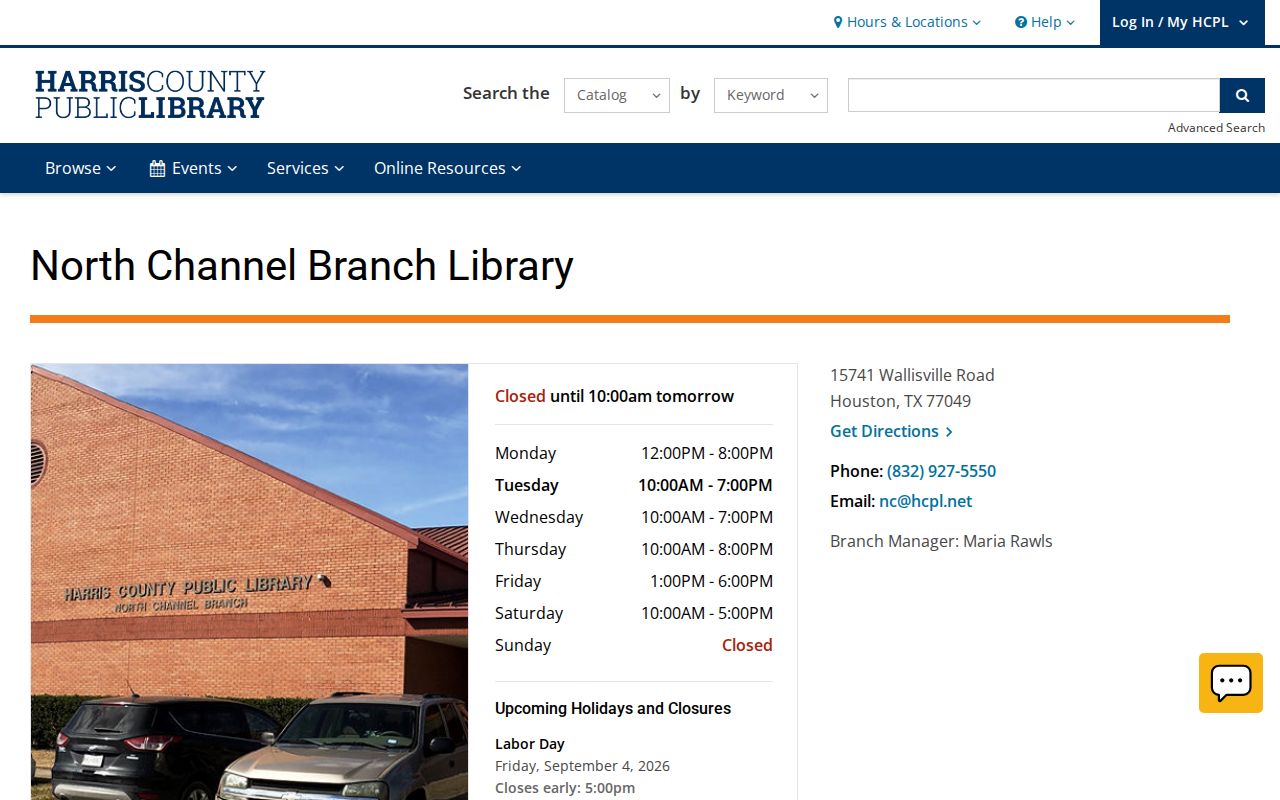
The branch is a place to inspect sources, scan a cited page, and ask about Channelview or Woodforest predecessor material. It is not a public name database.
For county records, Harris County Archives finding aids identify collections, manuscripts, oral histories, maps, and permanent records from more than 70 county offices. The archives is not the custodian for County Clerk or District Clerk records, so a deed or court request still belongs with the proper clerk.
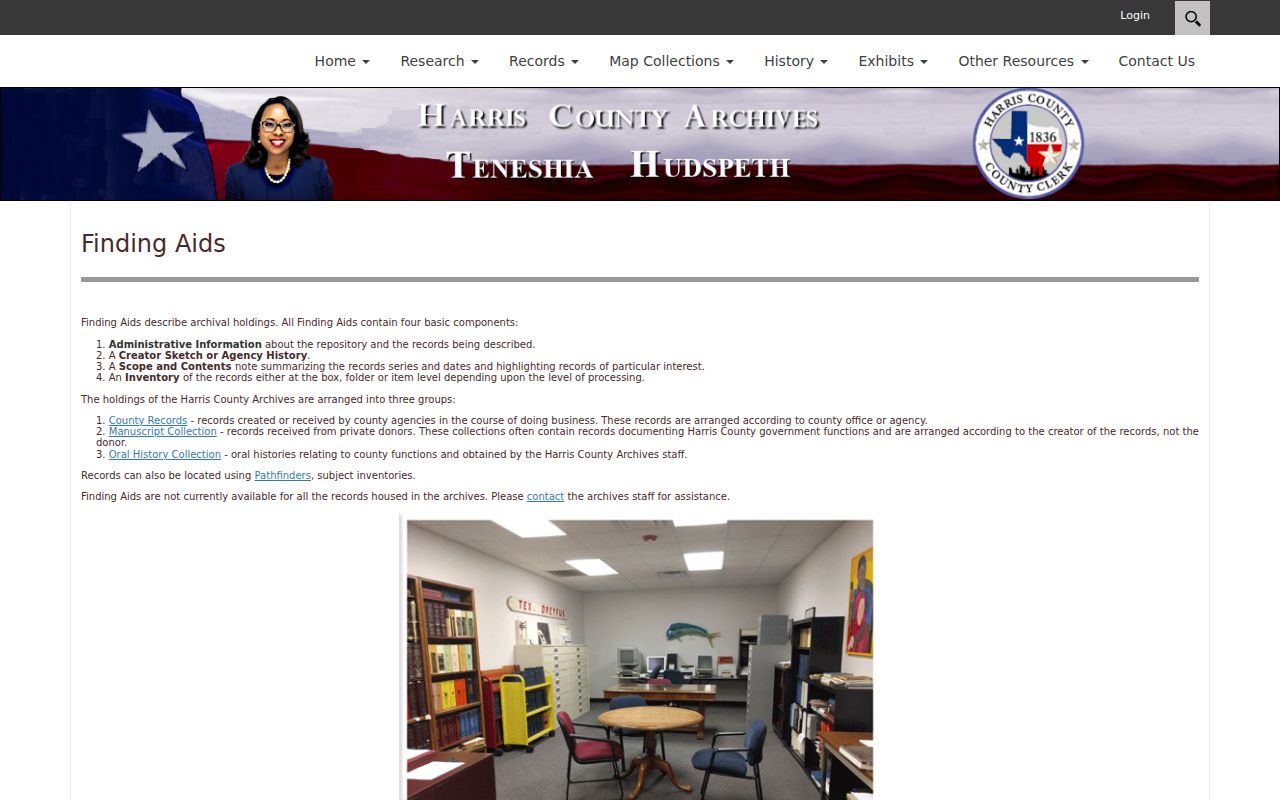
The finding-aid route helps locate a collection before an appointment or staff inquiry. Not every described holding is online or searchable by person.
Microfilm Beyond Channelview Directories
When a name predates the web or an old address does not appear in a regional book, the Texas State Library and Archives Commission Harris County reel list is the deeper bridge. It identifies deed records and direct or reverse indexes from 1837 to 1886, probate series beginning in the 1830s, tax rolls from 1837 to 1910, and naturalization material including a WPA index. These series are county records, not a directory, but they can supply the dated legal or place clues needed to read a directory result responsibly.
TSLAC explains that eligible reels can be consulted on site or borrowed through interlibrary loan. Its stated ILL process includes a one-week hold for up to five reels and standard loan periods or extensions. Start with the catalog and reel number. Some material may also be digitized elsewhere, but the state reel list is the authoritative route for the series.
Trace Channelview City Directory Households
Use a directory as a sequence of dated observations. First choose a census year and nearby directory years. Then preserve each spelling, abbreviation, postal label, and street form exactly as found. A change in address can point to a move, a changed street label, or different regional coverage. It does not, by itself, prove why a household changed. Census boundaries, postal cities, precincts, and the modern CDP do not necessarily share the same outline.
- Find the earliest dated directory entry and save the title, year, page, and image citation.
- Follow the name through the next available volumes, keeping alternate spellings and address forms in the research note.
- Check for a reverse or criss-cross section only after confirming that the specific volume contains one.
- Pair the dated address with the closest public federal census. The 1950 census is the latest decennial schedule generally public in 2026.
- Bridge a stable parcel clue through HCAD and a Harris County Clerk deed when an ownership trail is needed.
A disappearance can mean a move, a changed listing practice, a missed OCR hit, or a gap in the regional book. Newspapers, probate records, cemetery custodians, and archive catalogs may add a later historical lead, but no consolidated official Channelview obituary or interment index was located.
Note: A directory entry establishes a dated listing, not a present address or a complete household.
Channelview Records at Archive Scale
Harris County Archives reports roughly 6,400 bound volumes, 4,000 cubic feet of records, and more than 14,000 microfilm rolls, with much of the microfilm digitized. Those figures describe the size of the county historical record environment, not the number of Channelview entries. They do explain why a simple web search can miss useful material, especially when a query depends on a former place label, an old road description, or an unscanned page.
Channelview city directories are most useful when their limits remain visible: regional rather than standalone, historical rather than current, and dependent on the precise page image. That careful framing keeps a small printed clue connected to the county's larger records trail without overstating it.